Pink Goes Red: Women’s Heart Health — Prevention Is Empowerment
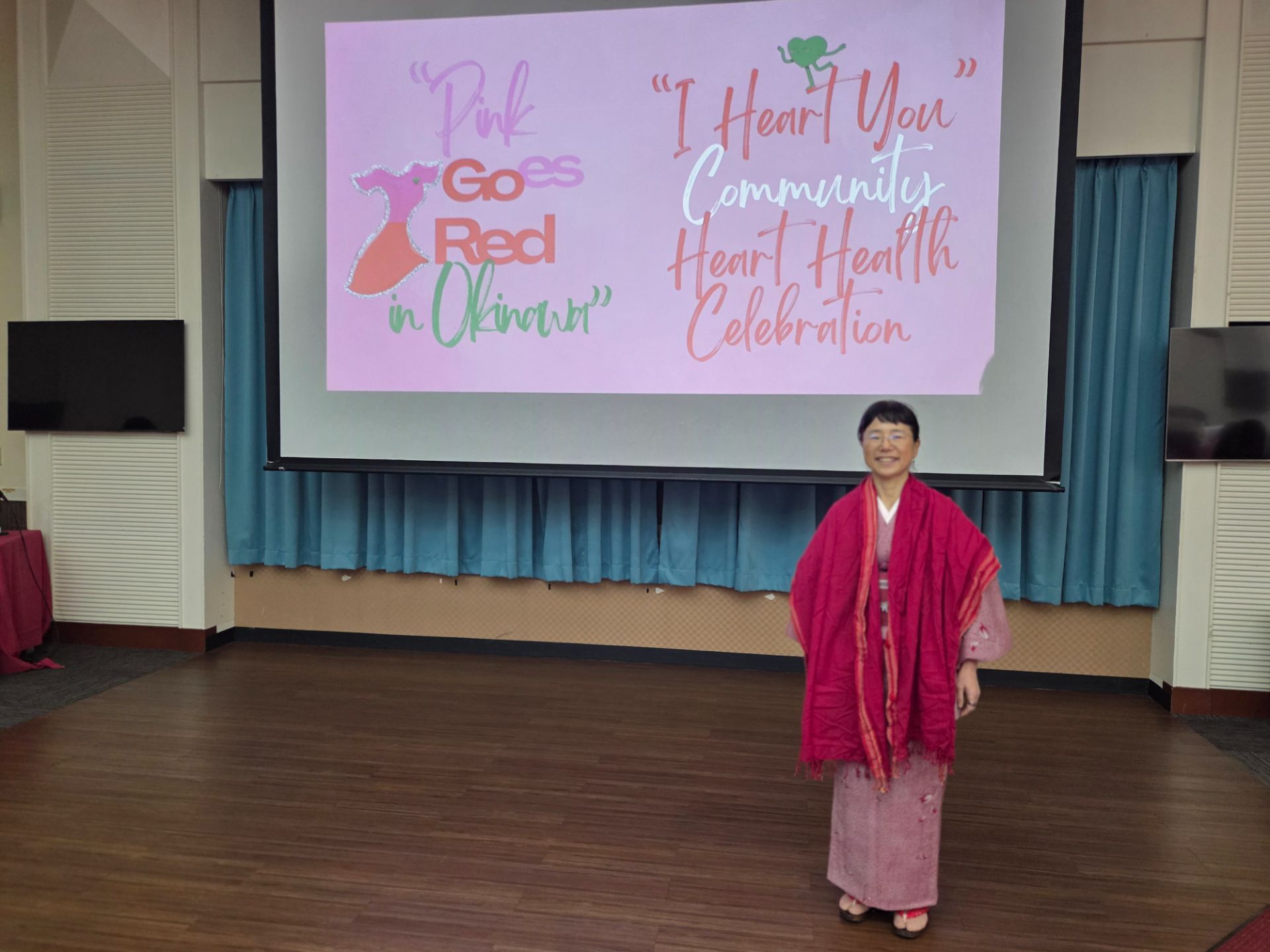
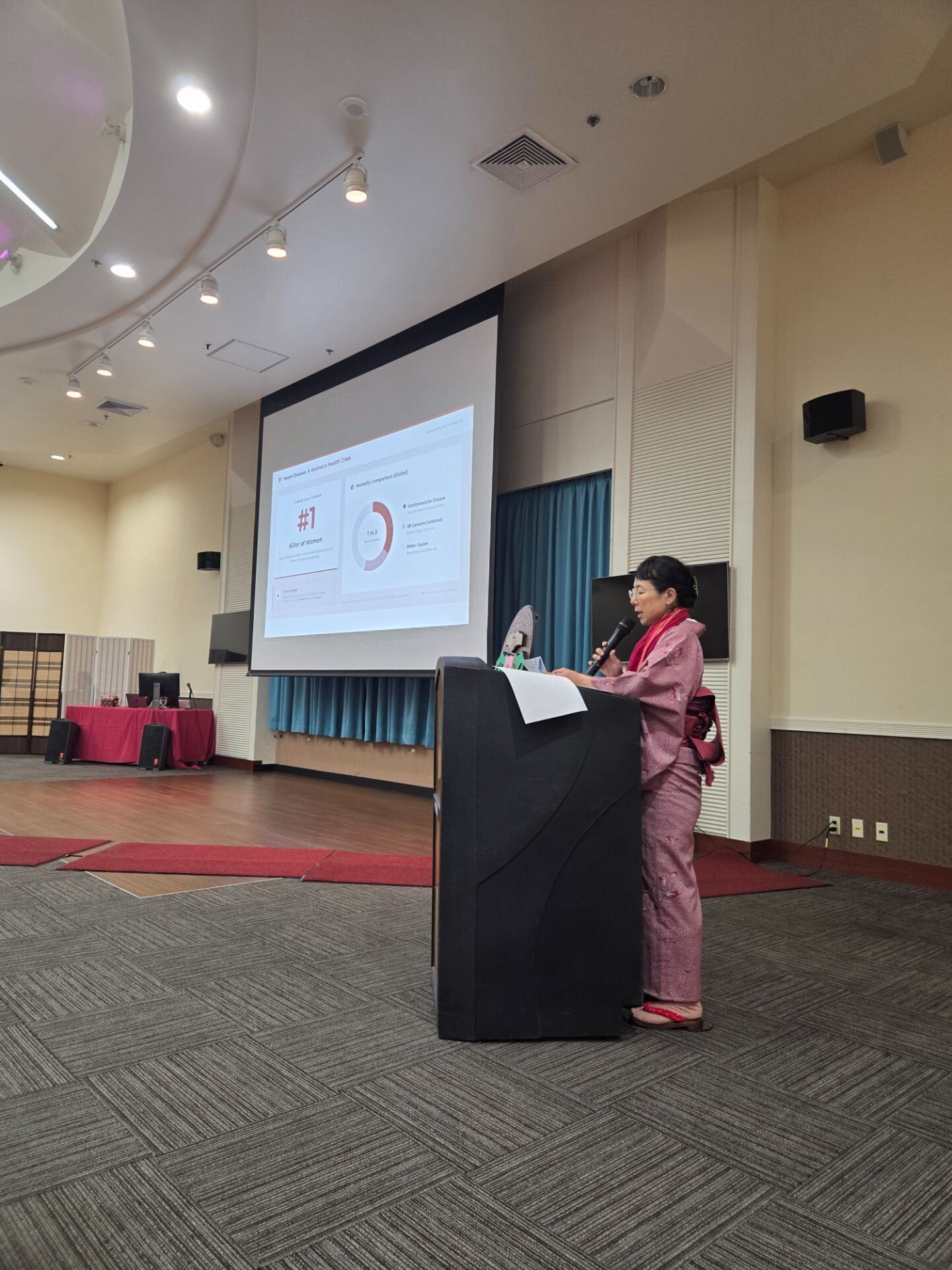
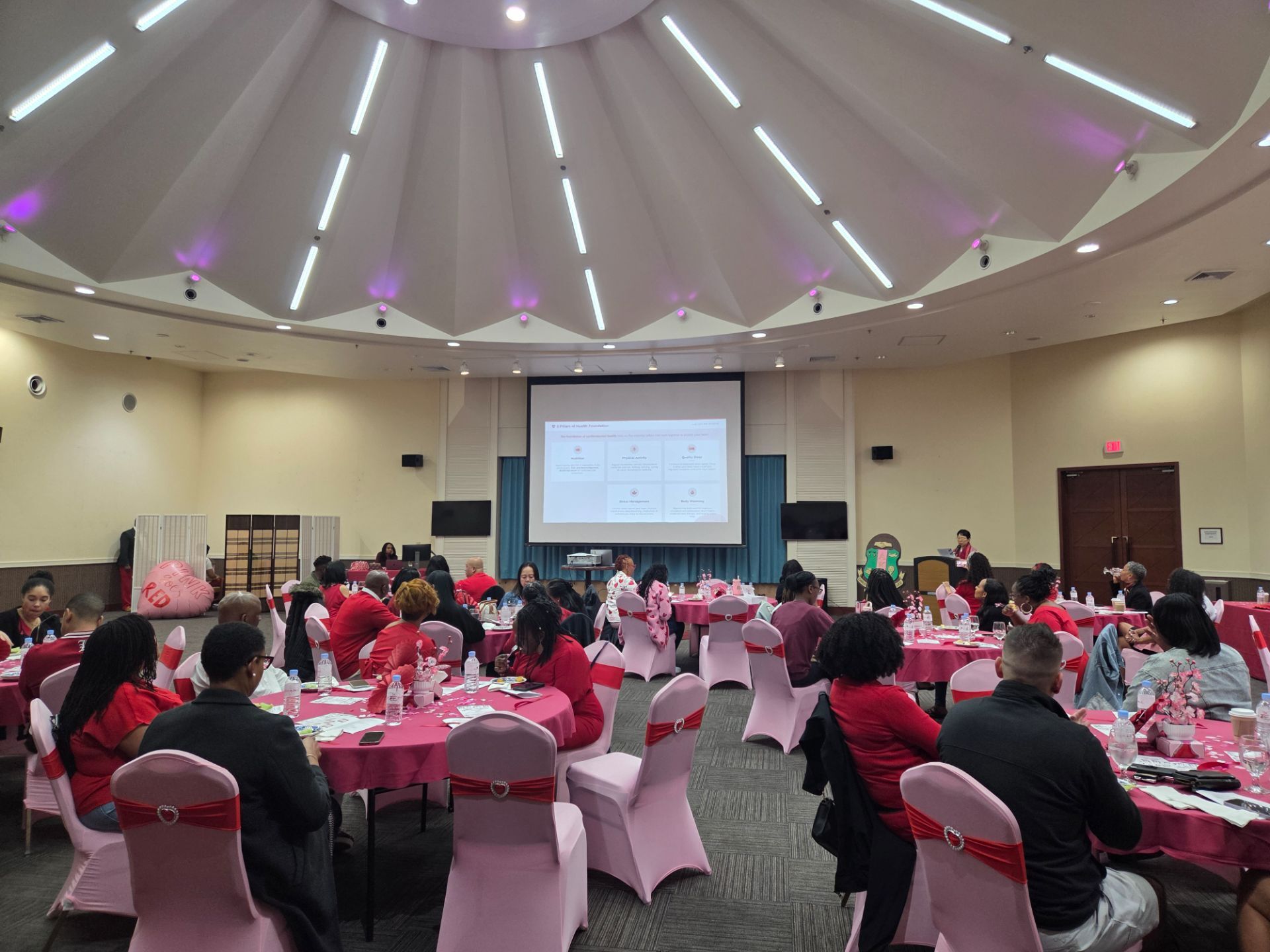
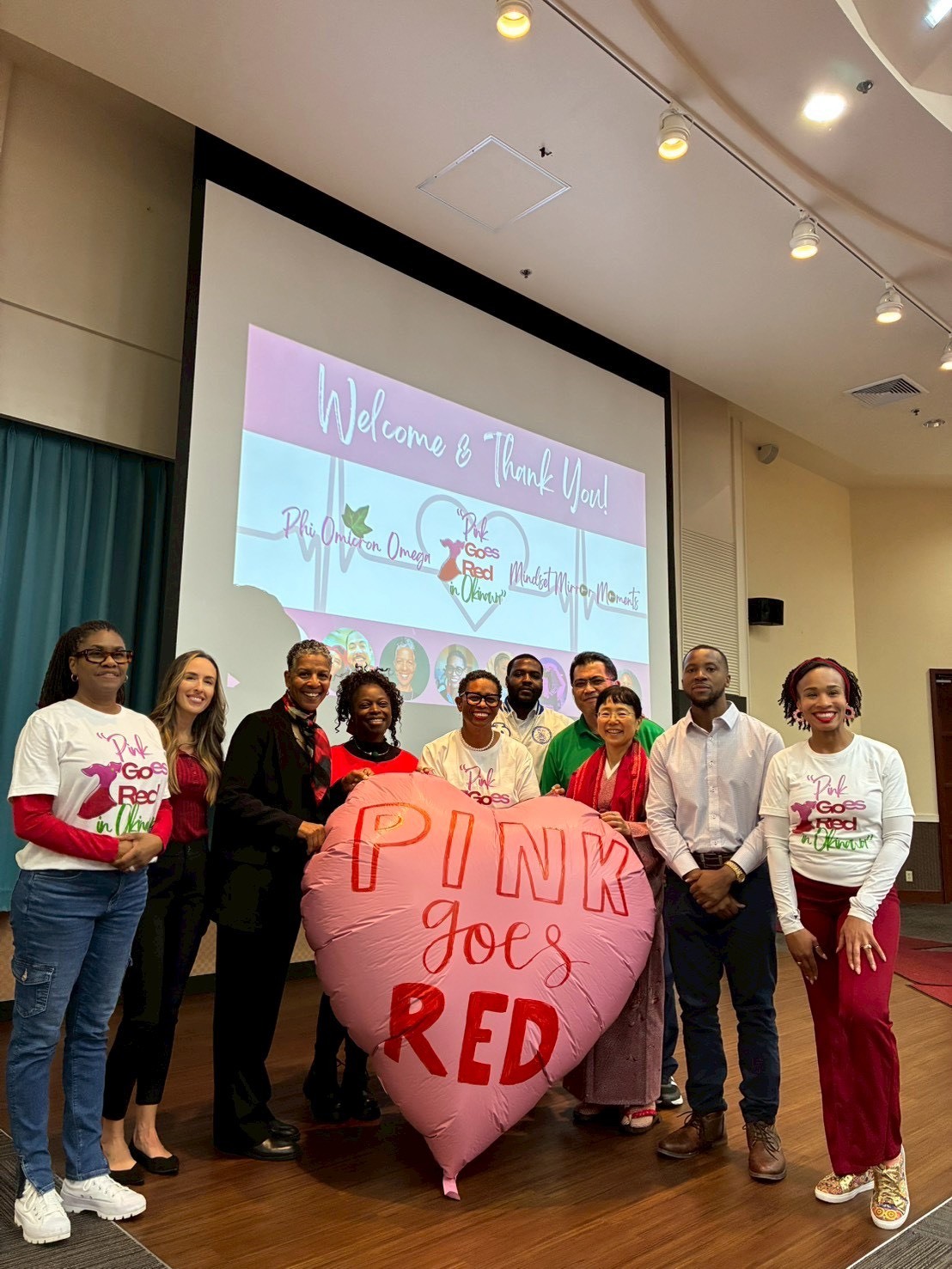
On February 7, 2026, I had the honor of presenting at the “Pink Goes Red × Go Red for Women” event. As an obstetrician-gynecologist and Director of Yui Clinic in Okinawa City, I shared an urgent message: heart disease remains the leading cause of death in women worldwide, yet it is still often underrecognized and undertreated. Prevention must begin long before symptoms appear.
In my talk, I highlighted three factors we frequently overlook in women’s cardiovascular risk: physical inactivity, hormonal changes around menopause, and delayed prevention. Heart disease can develop silently over decades, so waiting for symptoms is often too late.
One encouraging point is that movement truly is medicine. Research shared in the seminar suggests women can gain major heart benefits from exercise in less time than men. Consistent moderate activity—such as brisk walking, dancing, or cycling—can lower blood pressure, improve glucose control, reduce inflammation, and support healthier cholesterol. The key is consistency, not intensity.
I also introduced the “5 Pillars of Health Foundation,” the daily habits that build long-term cardiovascular resilience: (1) balanced nutrition with vegetables, fruits, whole grains, fish, and legumes; (2) regular physical activity; (3) quality sleep; (4) stress management; and (5) body warming to support circulation. You don’t need perfection—steady, repeatable habits matter most.
Menopause is a critical turning point for women’s heart health. Before menopause, estrogen helps protect blood vessels and metabolism; after menopause, as estrogen declines, cardiovascular risk can rise rapidly. Symptoms such as hot flashes are not only uncomfortable—they may also correlate with cardiovascular risk markers. This is why proactive prevention during the menopausal transition is so important.
Finally, I shared updated evidence about hormone replacement therapy (HRT). For many years, fear and confusion surrounded HRT, but newer evidence suggests timing is essential. When initiated early—within 10 years of menopause or before age 60—in appropriate, healthy candidates, HRT may offer meaningful benefits. HRT is not for everyone, but women deserve an informed discussion with a healthcare professional rather than decisions based on outdated fear.
My core message was simple: prevention is not about waiting for symptoms—it is about building a strong foundation early. I am grateful for the opportunity to speak with the community, and I hope each participant left with practical steps to protect their heart—one informed choice at a time.